UK Road Signs Quiz

Test your knowledge of 64 UK road signs. Perfect for theory test revision.

Understanding Sign Shapes

Red circles

Prohibitions — things you must NOT do

Blue circles

Mandatory instructions — things you MUST do

Triangles

Warnings — hazards ahead

Rectangles

Information — directions, distances, facilities

Regulatory Signs (9 signs)

Signs that give orders — you must obey them.

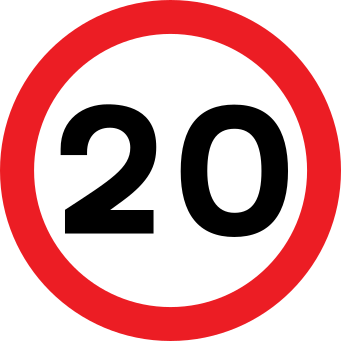
20 mph speed limit

20 mph speed limit

Maximum speed 20 mph. Usually found in residential areas, near schools, and in town centres.

Shape: circleHC Rule 124Common in test

Red circle with a number = speed limit. The number is the maximum speed in mph.

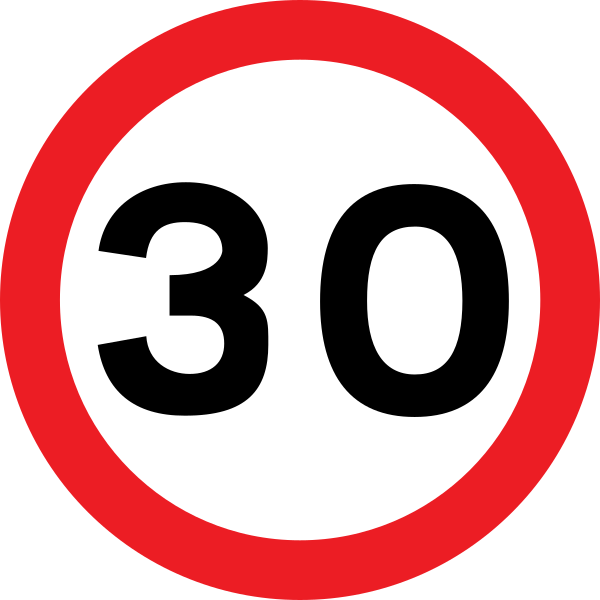
30 mph speed limit

30 mph speed limit

Maximum speed 30 mph. The default speed limit on roads with street lights unless signs say otherwise.

Shape: circleHC Rule 124Common in test

If there are street lights and no other speed limit sign, the limit is 30 mph.

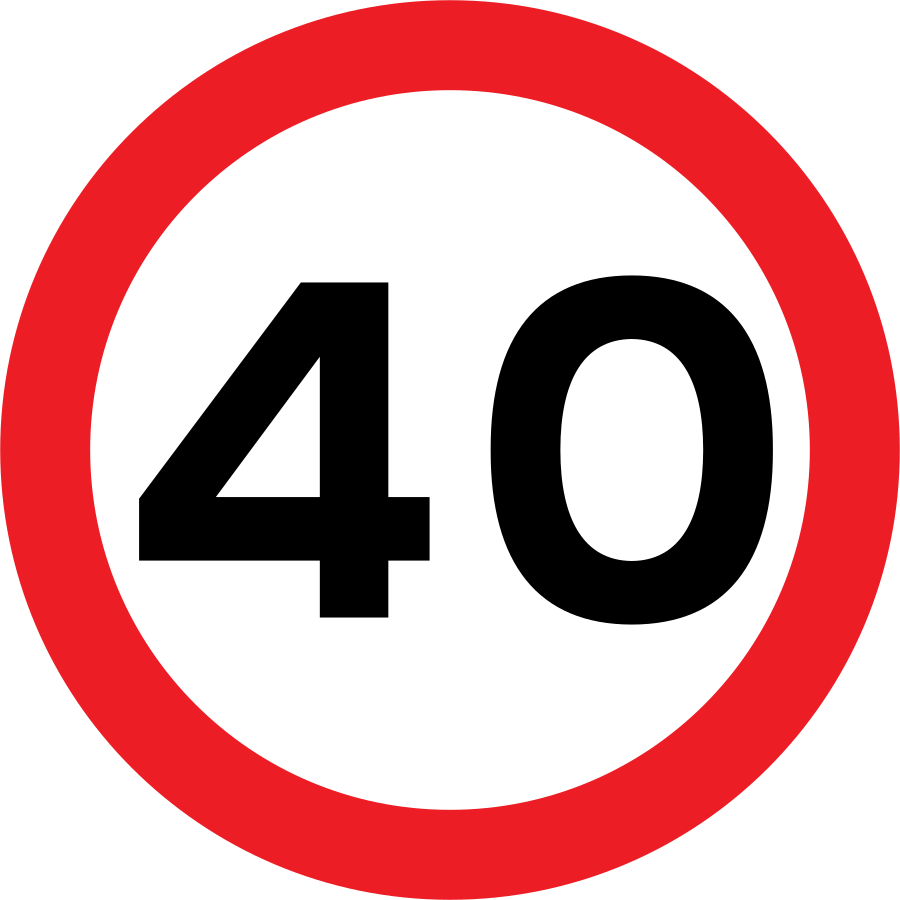
40 mph speed limit

40 mph speed limit

Maximum speed 40 mph.

Shape: circleHC Rule 124Common in test

Often found on busier urban roads and ring roads.

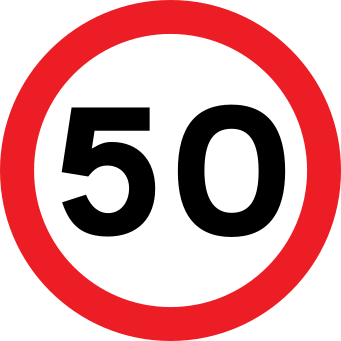
50 mph speed limit

50 mph speed limit

Maximum speed 50 mph.

Shape: circleHC Rule 124

Common on dual carriageways and rural roads approaching towns.

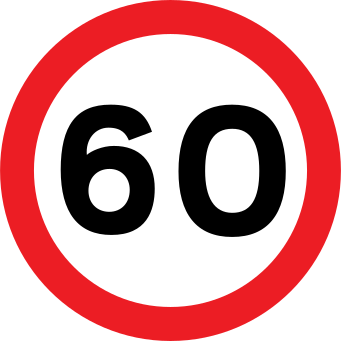
60 mph speed limit

60 mph speed limit

Maximum speed 60 mph. National speed limit on single carriageways.

Shape: circleHC Rule 124

60 mph is the national speed limit for cars on single carriageways.

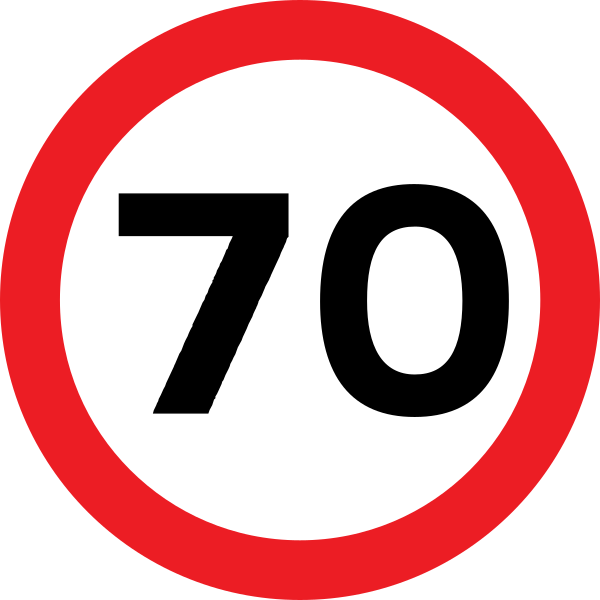
70 mph speed limit

70 mph speed limit

Maximum speed 70 mph. National speed limit on dual carriageways and motorways.

Shape: circleHC Rule 124

70 mph is the national speed limit for cars on dual carriageways and motorways.

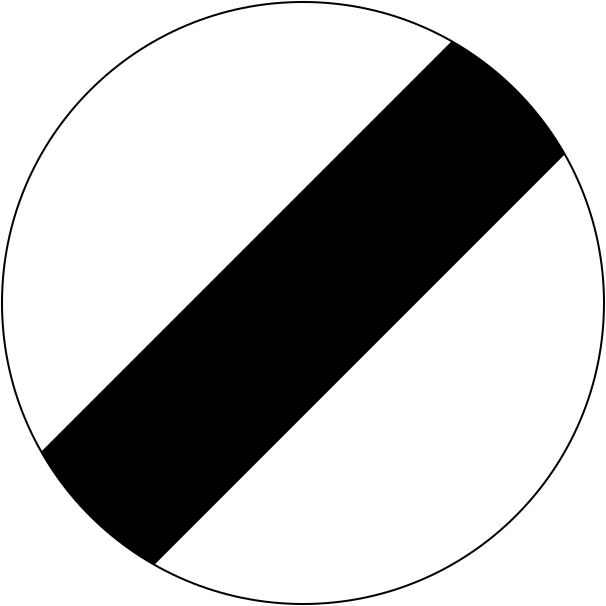
National speed limit applies

National speed limit applies

The national speed limit applies from this point. 30 mph on roads with street lights, 60 mph on single carriageways, 70 mph on dual carriageways.

Shape: circleHC Rule 124Common in test

White circle with a black diagonal line means the national speed limit applies — the actual limit depends on the road type.

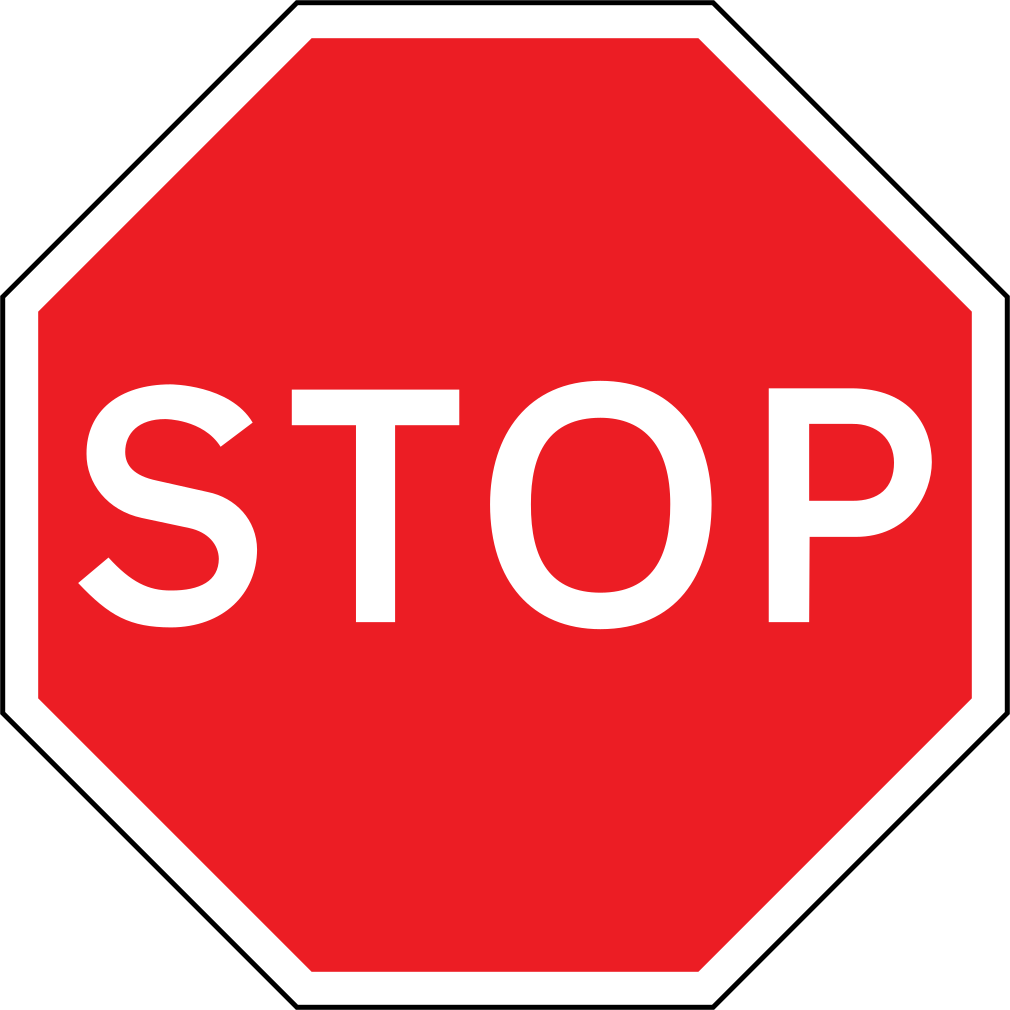
Stop

Stop

Stop and give way. You must stop at the line and only proceed when the road is clear.

Shape: octagonHC Rule 171Common in test

The only octagonal sign — its unique shape means you can recognise it even if covered in snow.

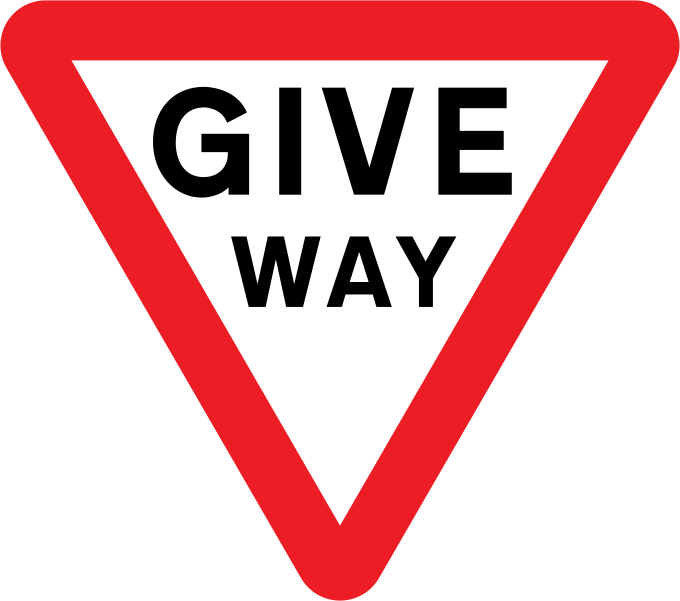
Give way

Give way

Give way to traffic on the major road. You must slow down and stop if necessary.

Shape: inverted triangleHC Rule 172Common in test

The only inverted triangle sign. You must be prepared to stop — you don't have to stop if the road is clear.

Warning Signs (30 signs)

Triangular signs that warn you of hazards ahead.

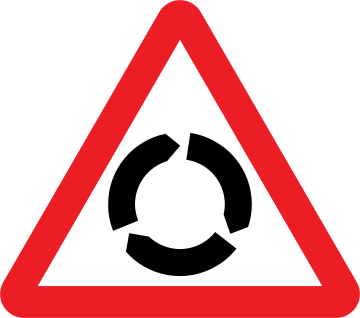
Roundabout ahead

Roundabout ahead

Roundabout ahead. Adjust your speed and get into the correct lane.

Shape: triangleHC Rule 184Common in test

Red triangle with three black circular arrows.

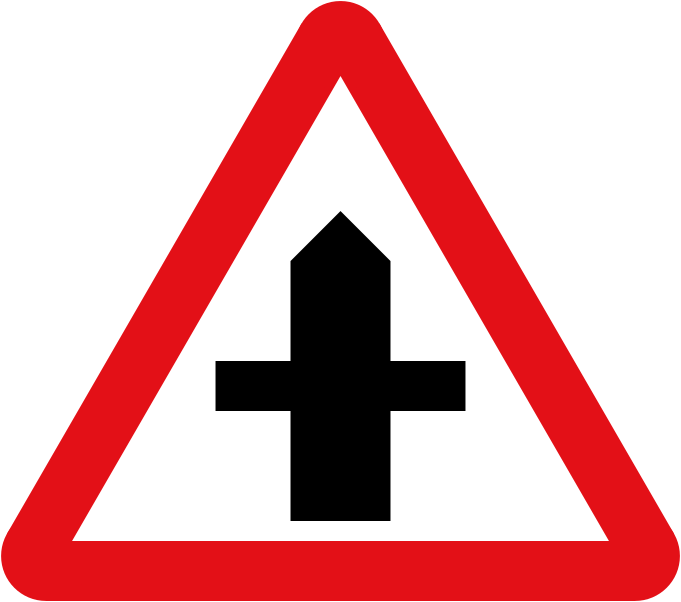
Crossroads ahead

Crossroads ahead

Crossroads ahead. Be prepared for traffic from all directions.

Shape: triangleHC Rule 170Common in test

Red triangle with a cross/plus shape.

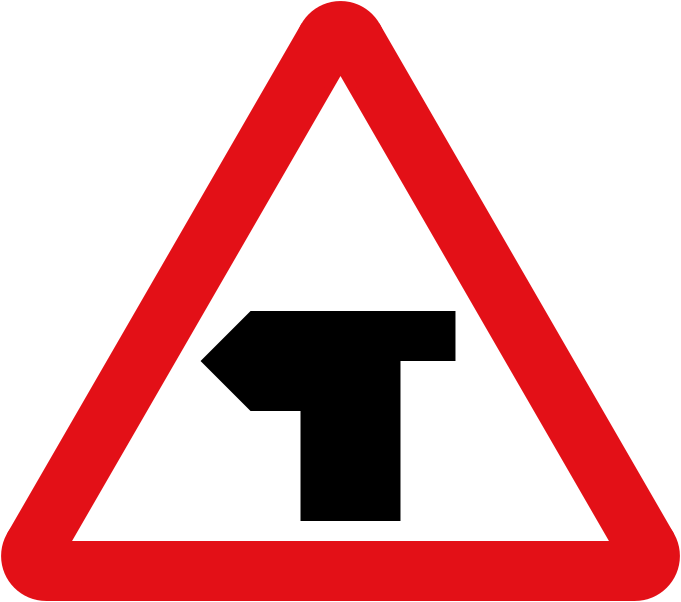
T-junction ahead

T-junction ahead

T-junction ahead — traffic from the left and right has priority.

Shape: triangleHC Rule 170Common in test

Red triangle with a T shape.

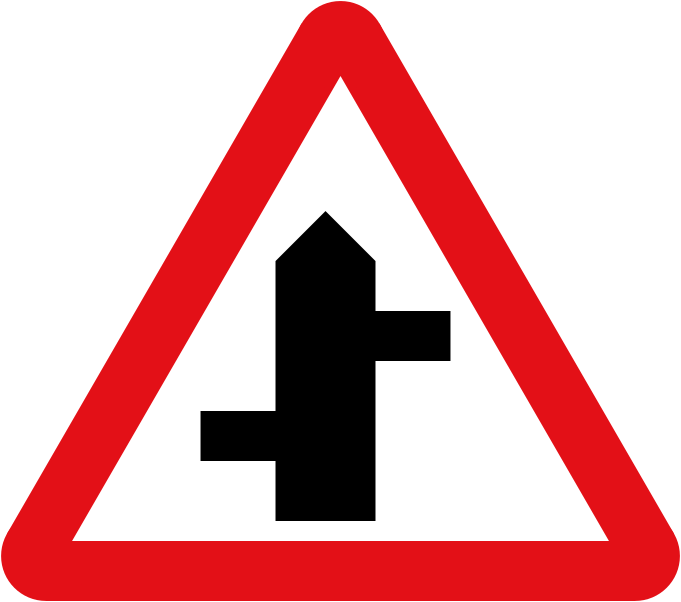
Staggered junction

Staggered junction

Staggered junction ahead. Side roads are slightly offset from each other.

Shape: triangleHC Rule 170

Red triangle with offset horizontal lines.

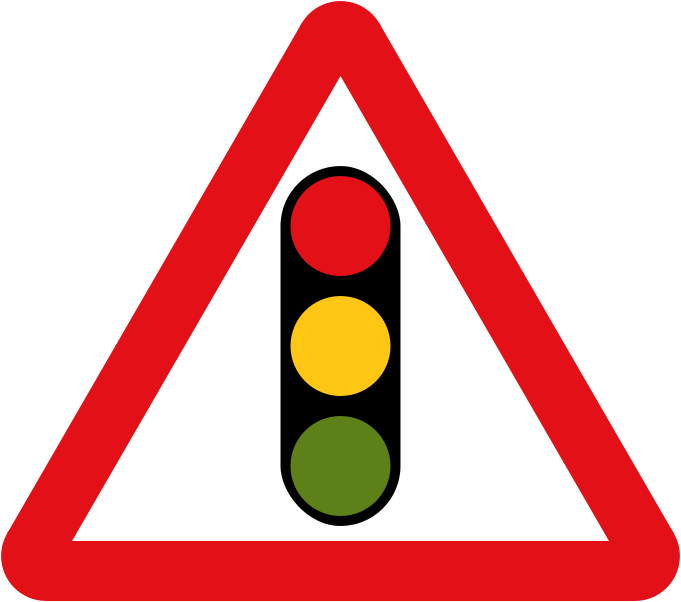
Traffic signals ahead

Traffic signals ahead

Traffic signals ahead. Be prepared to stop.

Shape: triangleHC Rule 175Common in test

Red triangle with a traffic light icon.

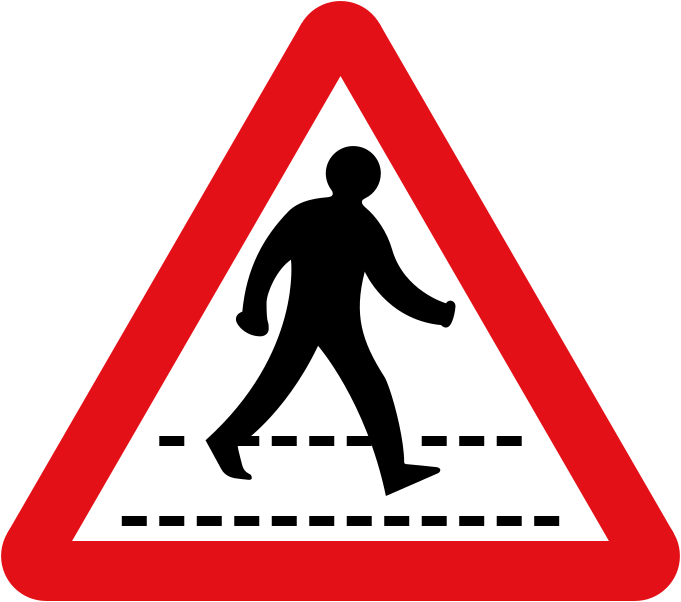
Pedestrian crossing ahead

Pedestrian crossing ahead

Zebra, pelican, puffin, or toucan crossing ahead. Slow down and be ready to stop.

Shape: triangleHC Rule 195Common in test

Red triangle with a person on a crossing.

Pedestrians in road

Pedestrians in road

Pedestrians likely in or crossing the road ahead. Take extra care.

Shape: triangleHC Rule 204Common in test

Red triangle with two walking figures.

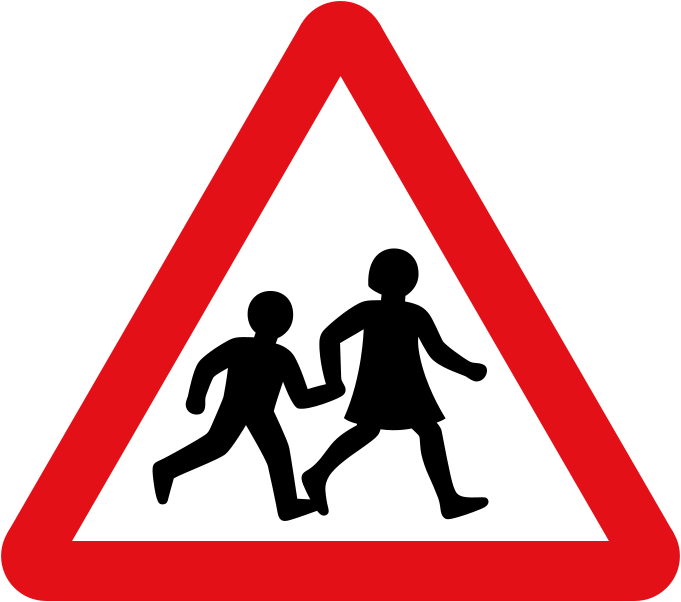
School ahead

School ahead

School ahead — children may be crossing. Reduce speed and watch carefully.

Shape: triangleHC Rule 204Common in test

Red triangle with two children. Usually accompanied by a flashing amber light during school hours.

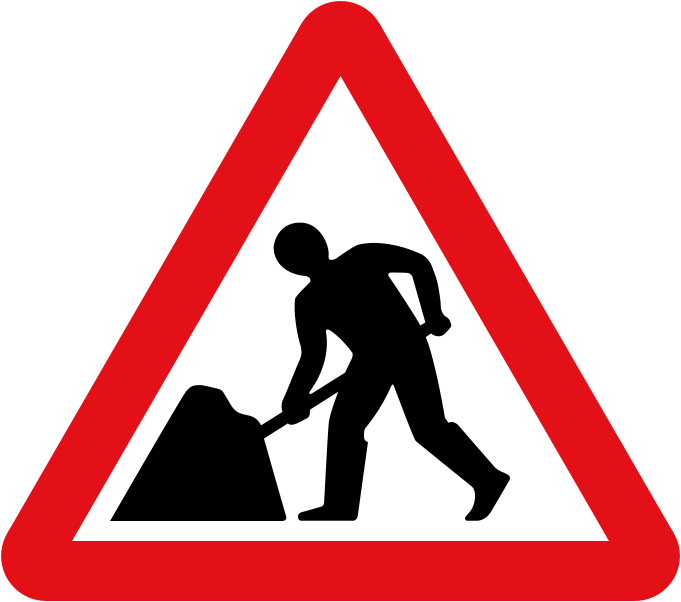
Road works ahead

Road works ahead

Road works ahead. Expect delays, speed restrictions, and lane closures.

Shape: triangleHC Rule 288Common in test

Red triangle with a person digging.

Bend to the left

Bend to the left

Sharp bend to the left ahead. Reduce speed before the bend.

Shape: triangleHC Rule 125

Red triangle with a curve going left.

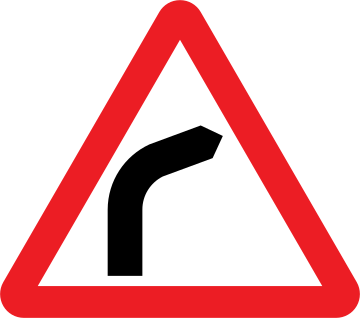
Bend to the right

Bend to the right

Sharp bend to the right ahead. Reduce speed before the bend.

Shape: triangleHC Rule 125

Red triangle with a curve going right.

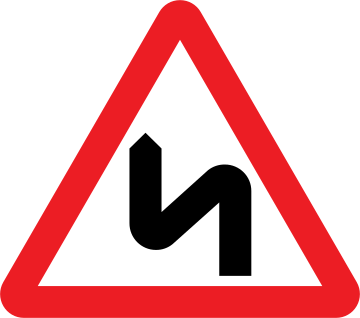
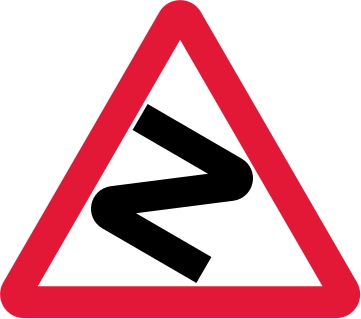
Double bend

Double bend

Double bend ahead — first to the left. Reduce your speed.

Shape: triangleHC Rule 125

Red triangle with an S-shaped curve.

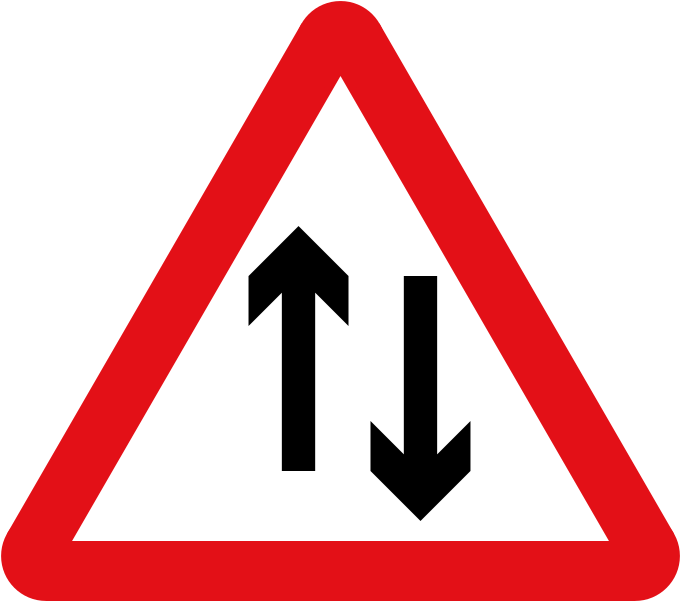
Two-way traffic

Two-way traffic

Two-way traffic ahead. You may be coming from a one-way street onto a two-way road.

Shape: triangleHC Rule 135Common in test

Red triangle with two arrows pointing in opposite directions.

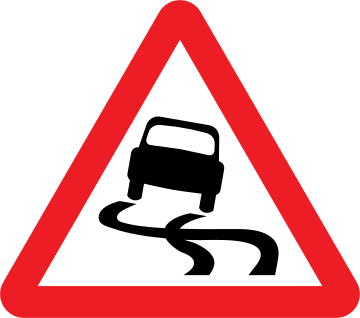
Slippery road

Slippery road

Slippery road ahead. Reduce speed and avoid harsh braking, acceleration, and steering.

Shape: triangleHC Rule 227Common in test

Red triangle with a car leaving tyre marks.

Steep hill downwards

Steep hill downwards

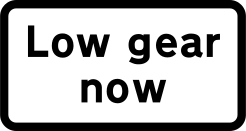
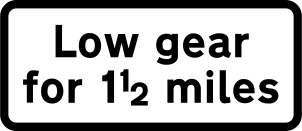
Steep hill downwards ahead. The gradient is shown as a percentage (e.g. 10% = 1 in 10). Use a low gear.

Shape: triangleHC Rule 160Common in test

Red triangle with a slope going down to the right and a percentage.

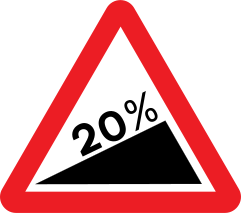
Steep hill upwards

Steep hill upwards

Steep hill upwards ahead. You may need extra power — change to a lower gear in time.

Shape: triangleHC Rule 160

Red triangle with a slope going up to the right and a percentage.

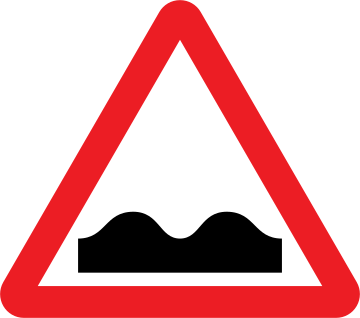
Uneven road

Uneven road

Uneven road surface ahead. Reduce speed to avoid losing control.

Shape: triangleHC Rule 125

Red triangle with a bumpy surface symbol.

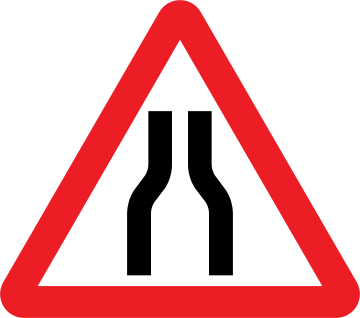
Road narrows on both sides

Road narrows on both sides

Road narrows ahead on both sides.

Shape: triangleHC Rule 125

Red triangle showing the road getting narrower.

Level crossing with barrier

Level crossing with barrier

Level crossing with a barrier or gate ahead. Be prepared to stop.

Shape: triangleHC Rule 291Common in test

Red triangle with a fence/gate symbol.

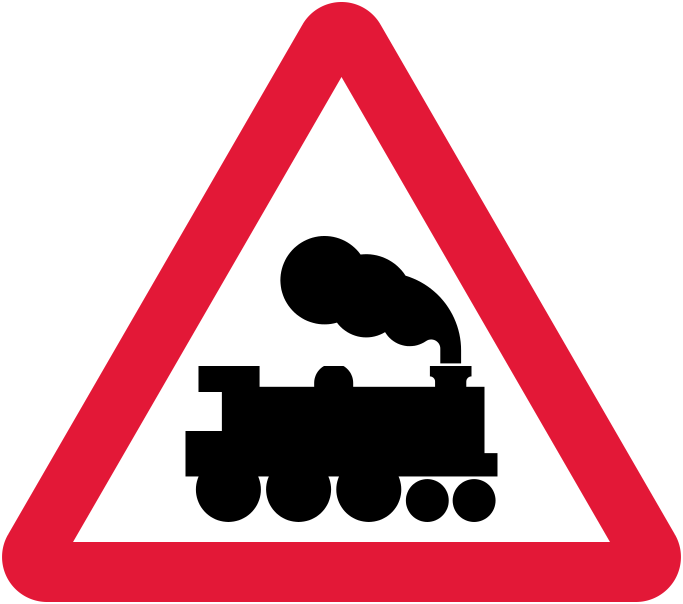
Level crossing without barrier

Level crossing without barrier

Level crossing without a barrier or gate ahead. Stop, look, and listen before crossing.

Shape: triangleHC Rule 291Common in test

Red triangle with a train/locomotive symbol. More dangerous — no barrier to stop you.

Hump bridge

Hump bridge

Hump bridge ahead. Reduce speed — oncoming traffic may be hidden.

Shape: triangleHC Rule 125

Red triangle with a hump/arch shape.

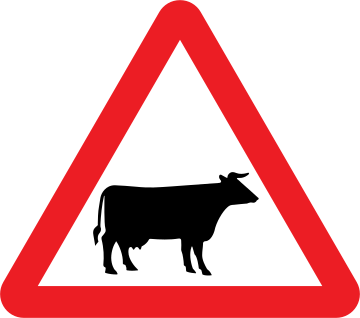
Cattle

Cattle

Cattle or farm animals likely on the road ahead. Slow down and be prepared to stop.

Shape: triangleHC Rule 214

Red triangle with a cow.

Risk of ice

Risk of ice ahead. Reduce speed and avoid sudden braking or steering.

Shape: triangleHC Rule 228Common in test

Red triangle with a snowflake or ice crystal.

Ford

Ford (water across the road) ahead. Drive slowly through and test brakes afterwards.

Shape: triangleHC Rule 125

Red triangle with wavy lines. After driving through, dry your brakes by pressing lightly.

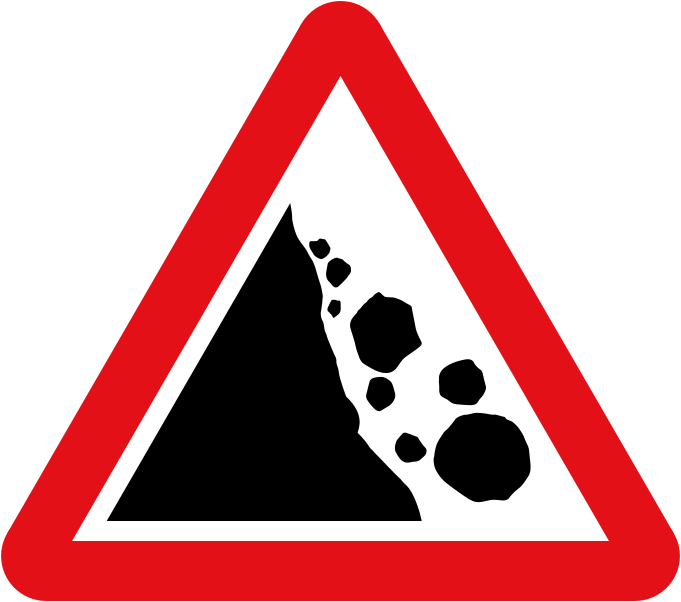
Falling or fallen rocks

Falling or fallen rocks

Risk of falling rocks ahead. Watch for debris on the road.

Shape: triangleHC Rule 125

Red triangle with rocks falling from a cliff.

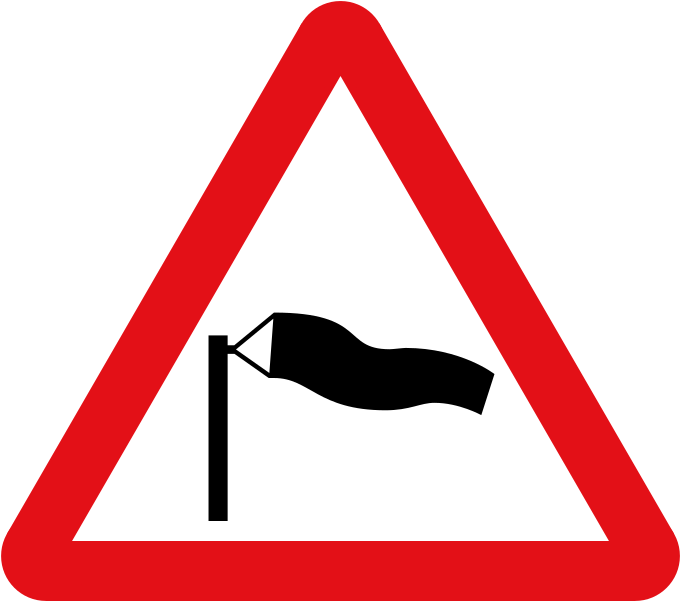
Side winds

Side winds

Strong side winds ahead. Take extra care — high-sided vehicles and motorcycles are most affected.

Shape: triangleHC Rule 232

Red triangle with a windsock.

Tunnel ahead

Tunnel ahead. Switch on headlights and remove sunglasses.

Shape: triangleHC Rule 125

Red triangle with a tunnel shape.

Speed camera area

Speed cameras are in use in this area. Check your speed.

Shape: rectangleHC Rule 124

Often placed before fixed camera locations.

School crossing patrol

School crossing patrol ahead. Children crossing — be prepared to stop when signalled.

Shape: specialHC Rule 208Common in test

Often accompanied by flashing amber lights during school hours. You MUST stop when the patrol shows the sign.

Elderly people

Elderly people likely to cross the road ahead. Drive carefully.

Shape: triangleHC Rule 204

Red triangle with elderly person silhouettes.
Information Signs (9 signs)

Signs that give you useful information about the road.

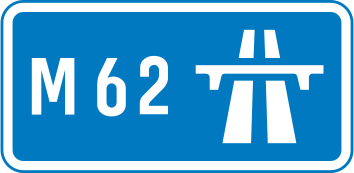
Motorway start

Motorway start

Start of motorway. National speed limit (70 mph) applies unless signed otherwise.

Shape: rectangleHC Rule 253Common in test

Blue rectangle with a motorway symbol. Learner drivers are now allowed on motorways with an approved instructor.

End of motorway

End of motorway

End of motorway restrictions. Different speed limits and road rules may apply.

Shape: rectangleHC Rule 253

Blue rectangle with motorway symbol crossed out.

Hospital ahead

Hospital ahead

Hospital ahead with accident and emergency facilities. Keep noise to a minimum.
Shape: rectangleHC Rule 112

Blue rectangle with a white H.

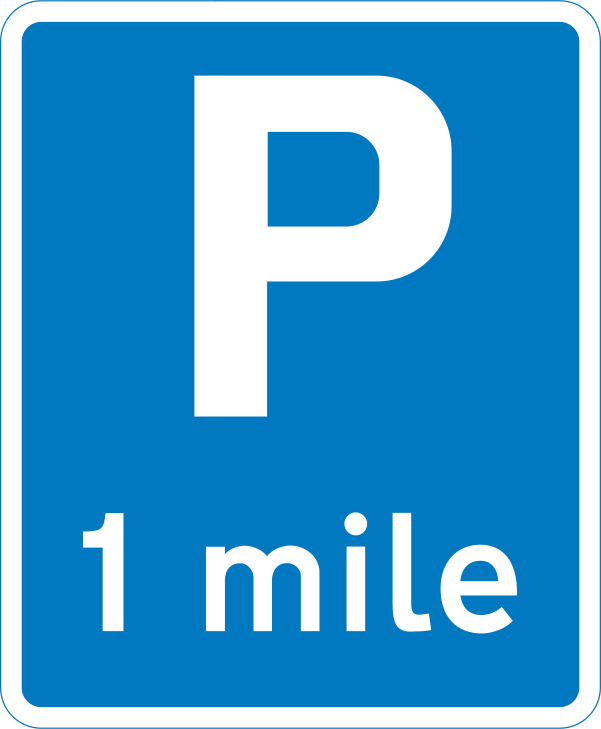
Parking

Parking

Parking is available.

Shape: squareHC Rule 238

Blue square with a white P.

Bus lane

Bus lane

Bus lane ahead — restricted to buses and possibly taxis and cycles during operational hours.
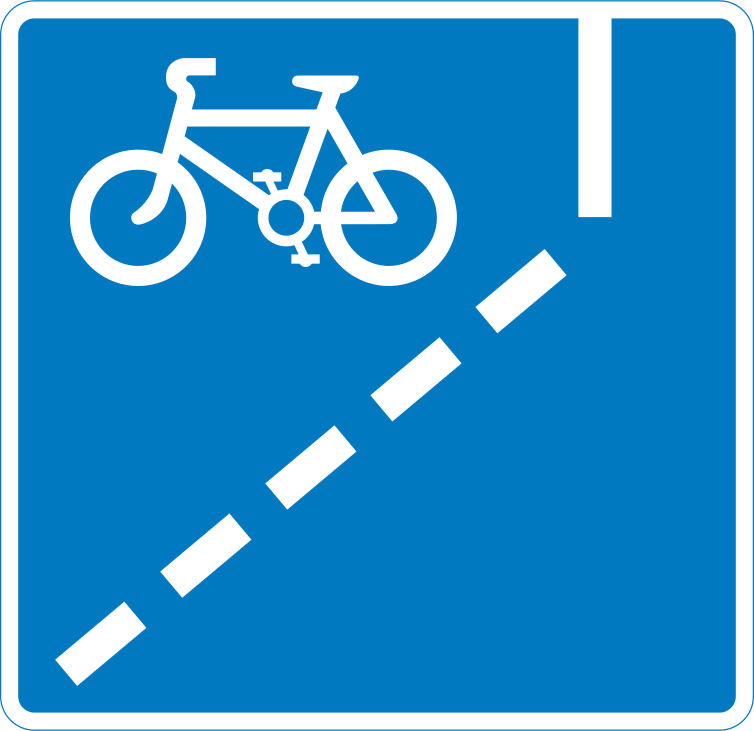
Shape: rectangleHC Rule 141Common in test

Check the times — bus lanes are not always operational.
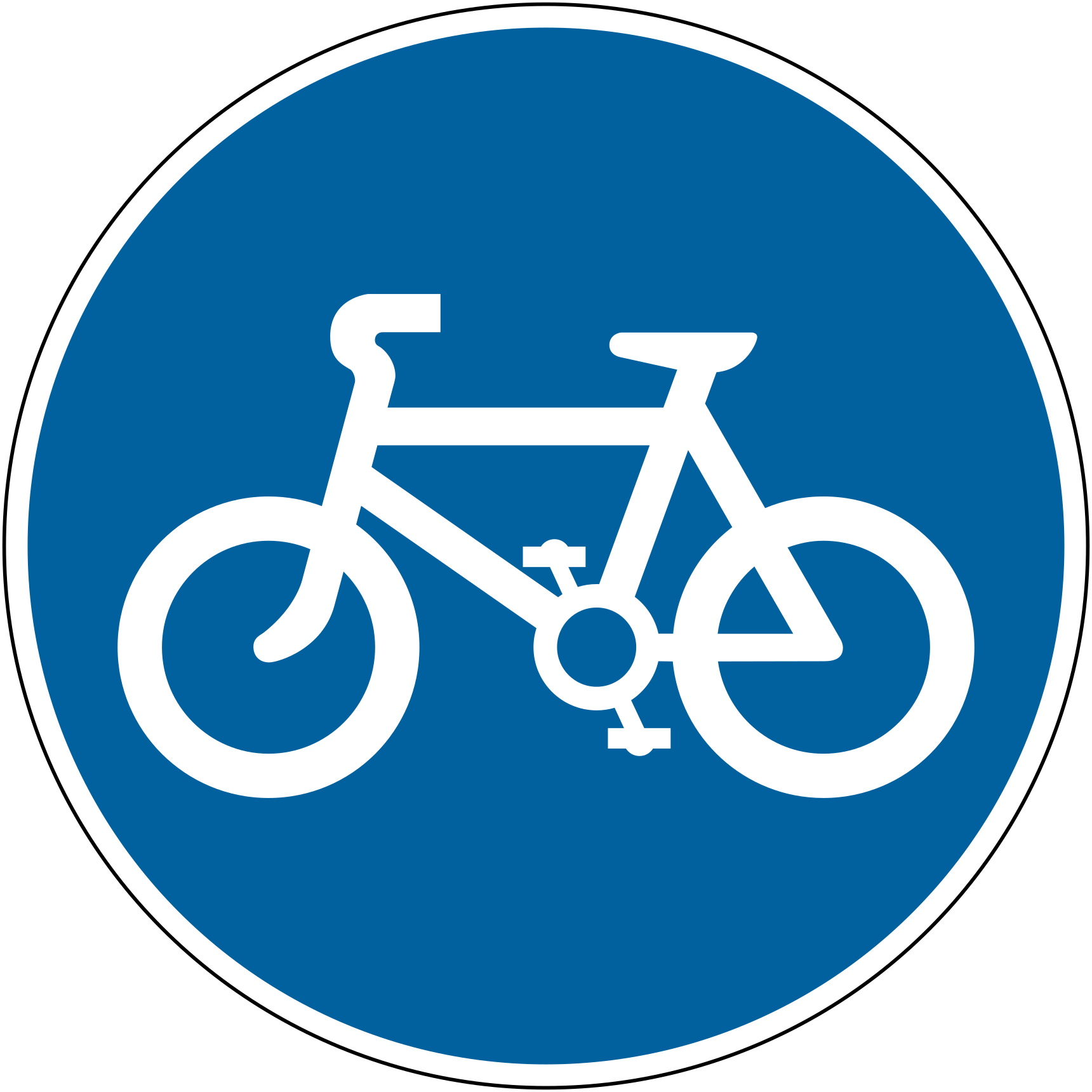
Cycle route ahead

Cycle route ahead

Route recommended for pedal cycles.

Shape: rectangleHC Rule 62

Blue rectangle with a bicycle.

No through road

This road is a dead end — no through road for vehicles.

Shape: rectangleHC Rule 143

Blue rectangle with a red bar at the top of a white road.

End of dual carriageway

Dual carriageway ends — road becomes single carriageway. Oncoming traffic ahead.

Shape: triangleHC Rule 135Common in test

Red triangle with two lanes merging into one.

Zebra crossing controlled area

Indicates the approach to a zebra crossing. White zigzag road markings mean no parking.

Shape: specialHC Rule 195Common in test

Belisha beacons (flashing amber globes) mark zebra crossings. You MUST give way to pedestrians on the crossing.

Prohibition Signs (10 signs)

Round signs with a red border that tell you what you must not do.

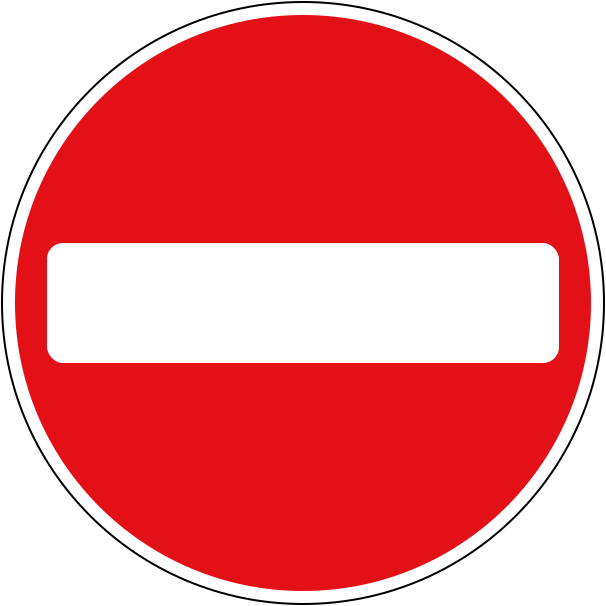
No entry

No entry

No entry for vehicular traffic. This sign is placed at the entrance to one-way streets to stop traffic entering from the wrong direction.

Shape: circleHC Rule 144Common in test

Red circle with a white bar — one of the most important prohibition signs.

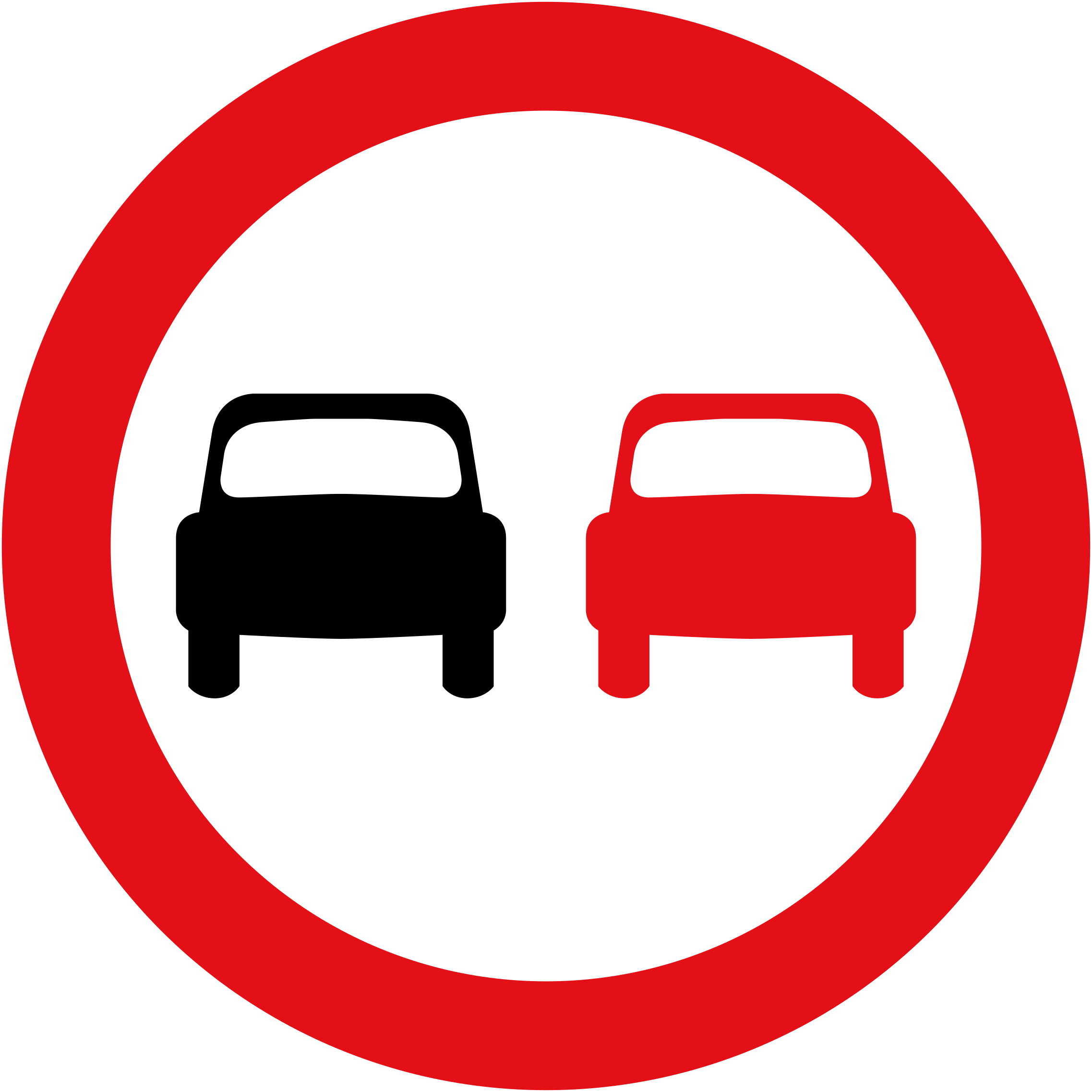
No overtaking

No overtaking

No overtaking. You must not overtake moving motor vehicles.

Shape: circleHC Rule 162Common in test

Shows a red car and a black car side by side.

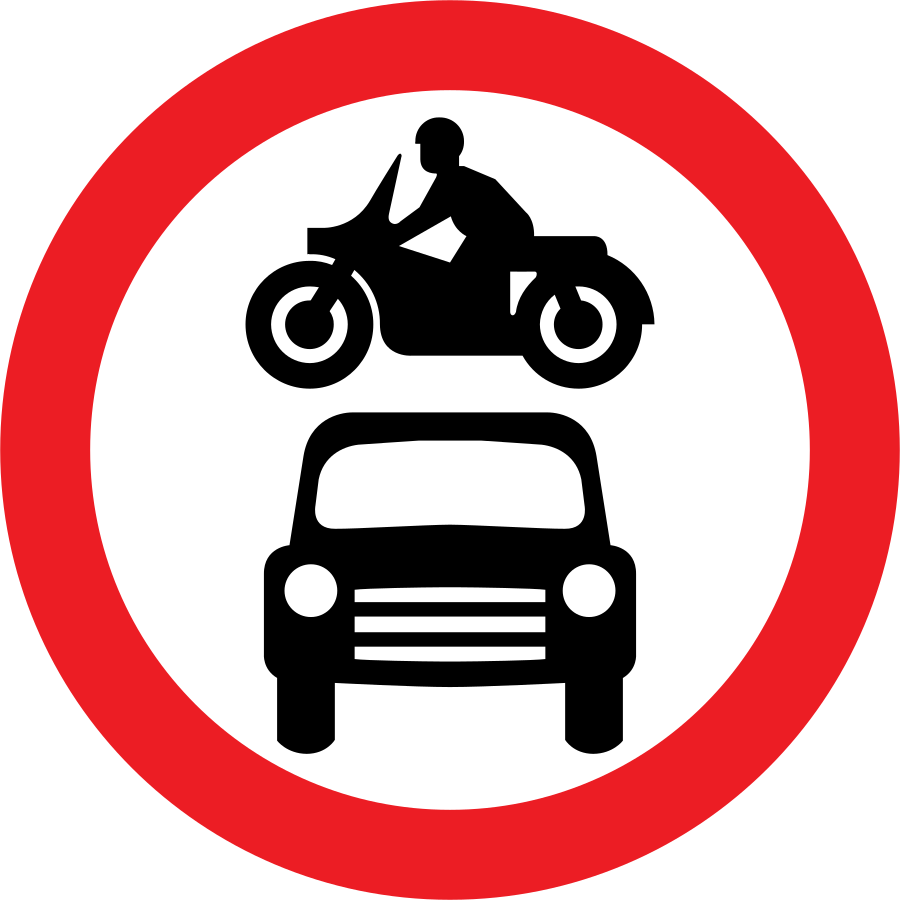
No motor vehicles

No motor vehicles

No motor vehicles allowed. Pedal cycles may be permitted.

Shape: circleHC Rule 144

Shows a car and motorbike from the front. Red circle = prohibition.

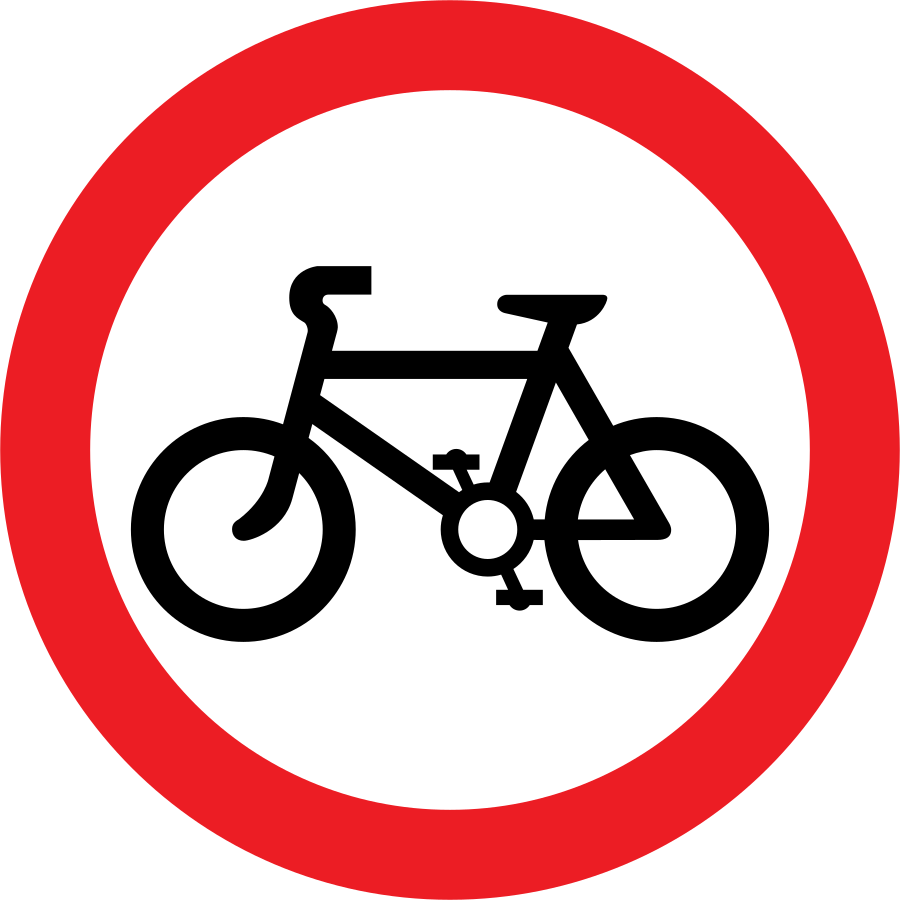
No cycling

No cycling

Cycling is prohibited on this road.

Shape: circleHC Rule 144

Red circle with a bicycle symbol.

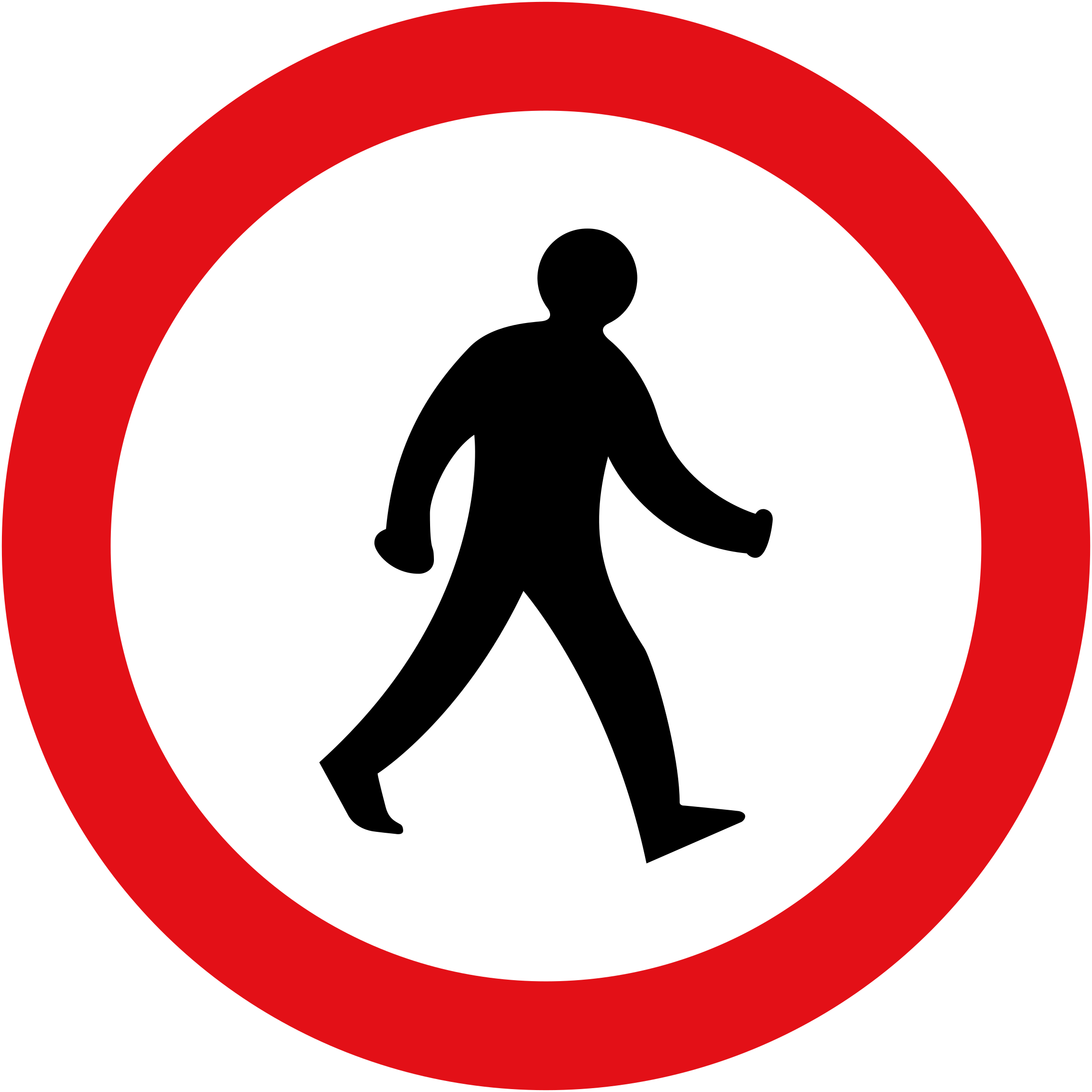
No pedestrians

No pedestrians

No pedestrians allowed.

Shape: circleHC Rule 144

Red circle with a walking person.

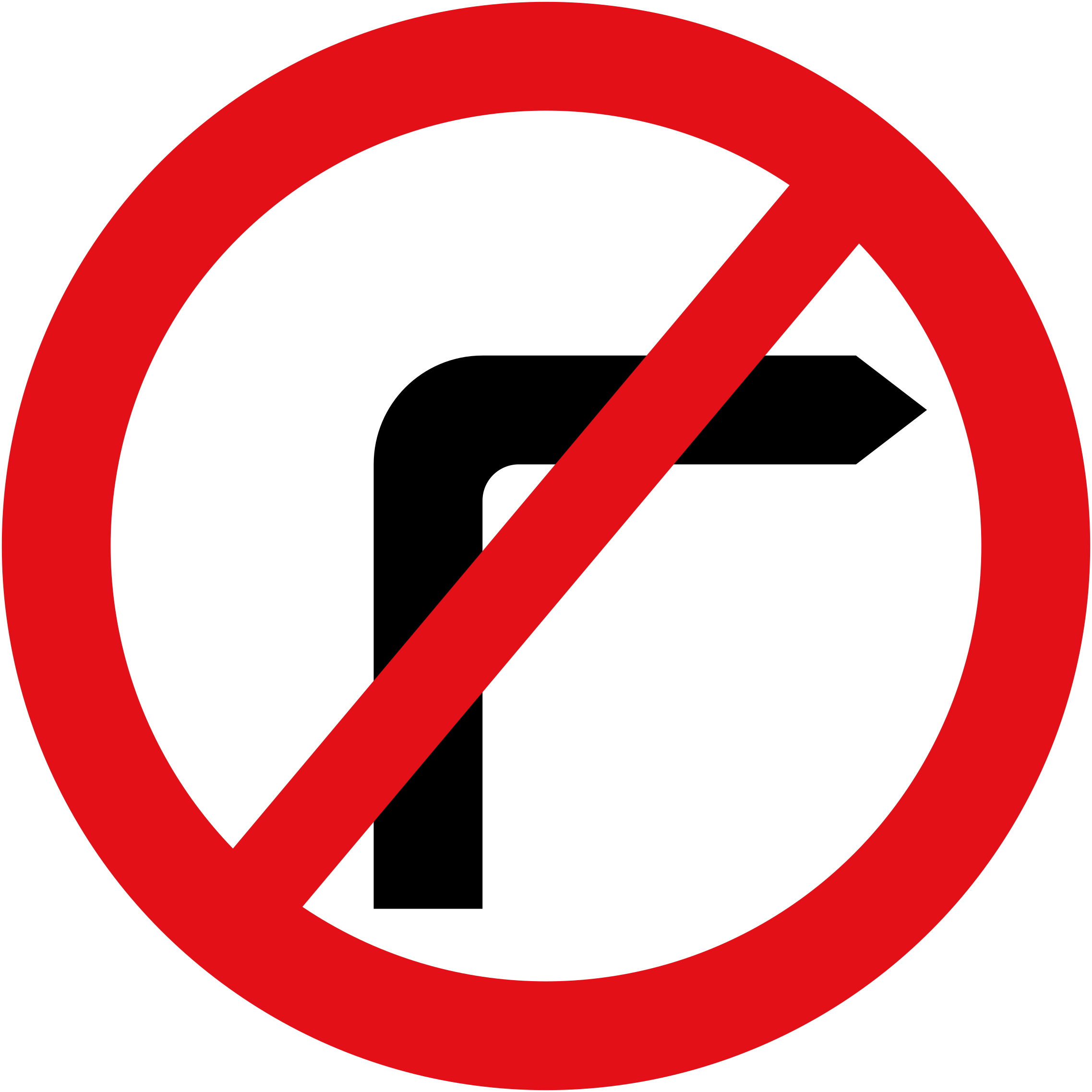
No right turn

No right turn

You must not turn right at this junction.

Shape: circleHC Rule 144Common in test

Red circle with a right-turn arrow and red line through it.

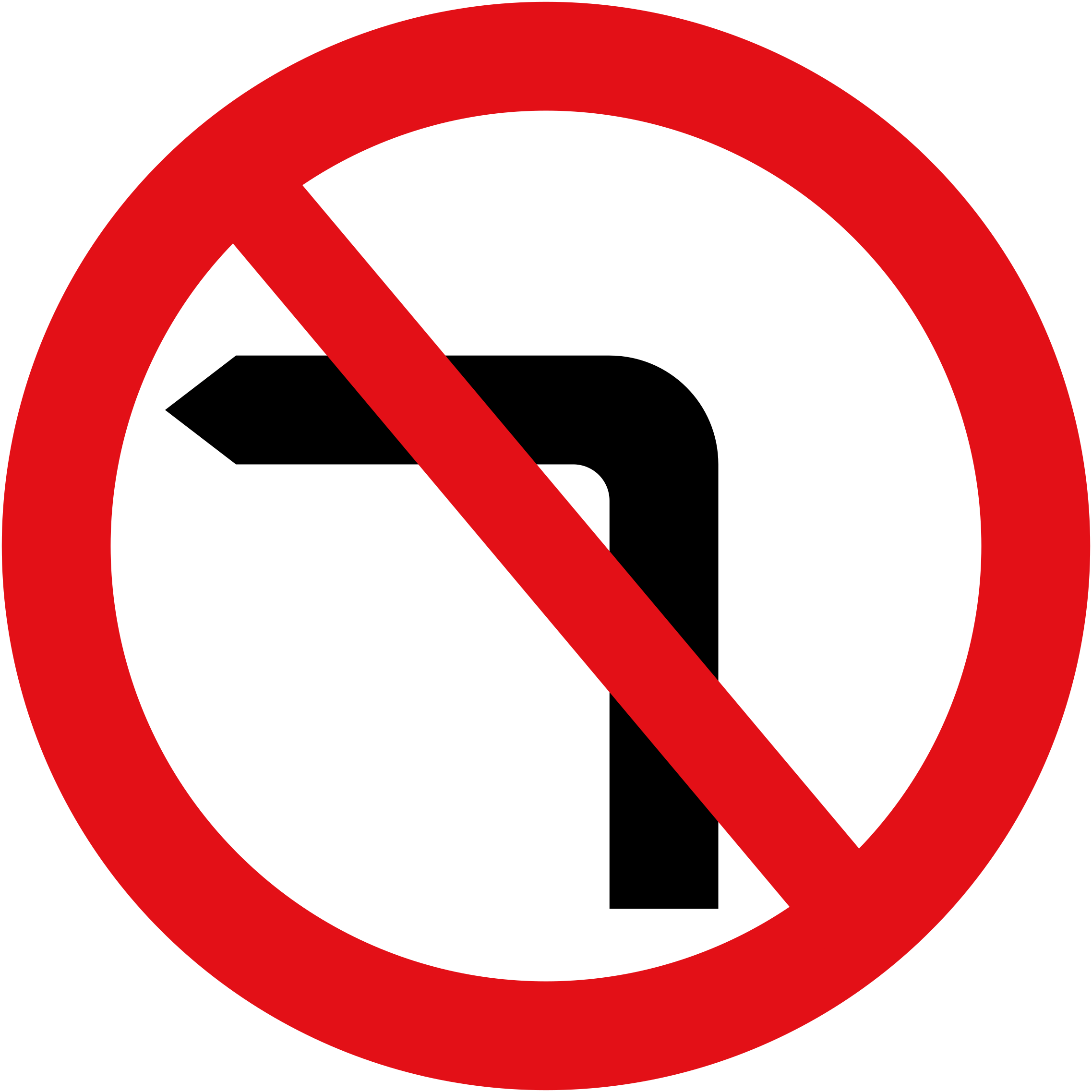
No left turn

No left turn

You must not turn left at this junction.

Shape: circleHC Rule 144Common in test

Red circle with a left-turn arrow and red line through it.

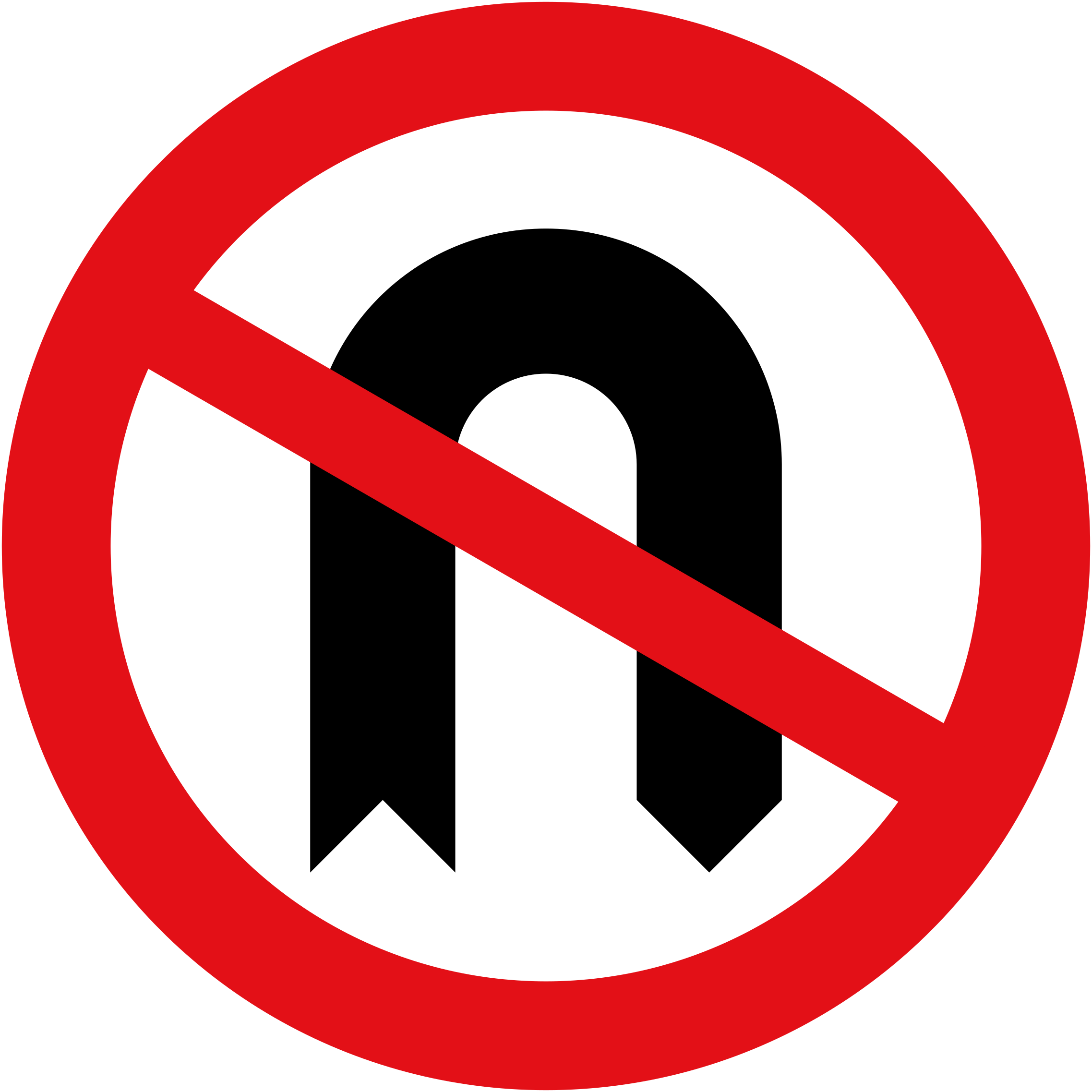
No U-turns

No U-turns

You must not make a U-turn.

Shape: circleHC Rule 144Common in test

Red circle with a U-turn arrow and red line through it.

No waiting

No waiting at any time. You can stop briefly to pick up or drop off passengers.

Shape: circleHC Rule 238Common in test

Blue circle with a red X. Waiting means leaving your vehicle or staying longer than needed.

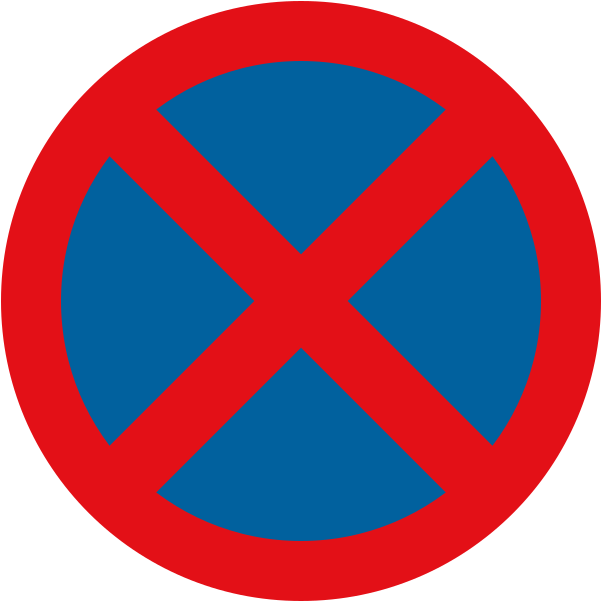
No stopping (Clearway)

No stopping (Clearway)

No stopping at any time, even to pick up or drop off passengers. Also known as Clearway.

Shape: circleHC Rule 238Common in test

Red cross on blue background with extra red. More restrictive than no waiting — you cannot stop at all.

Mandatory Signs (6 signs)

Round blue signs that tell you what you must do.

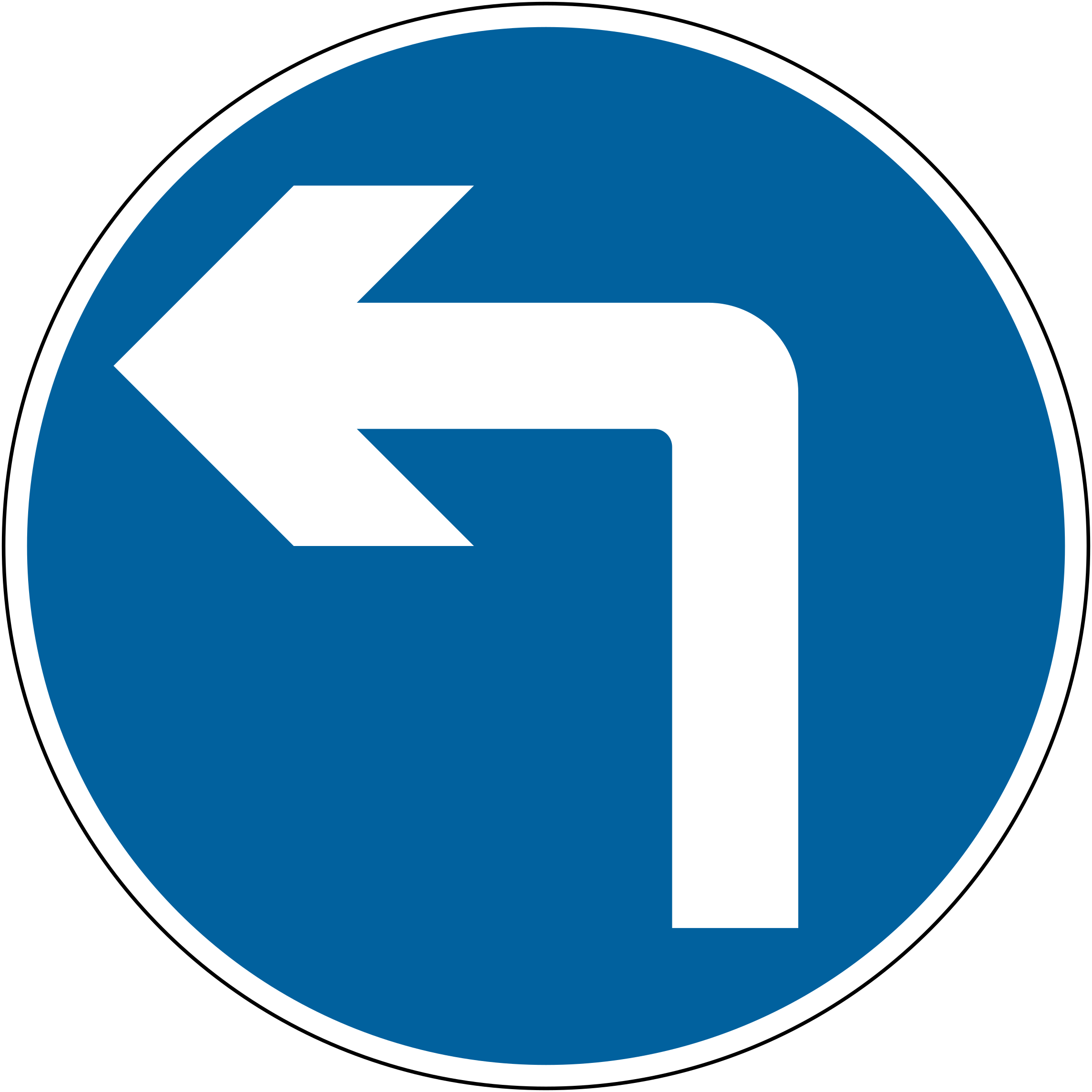
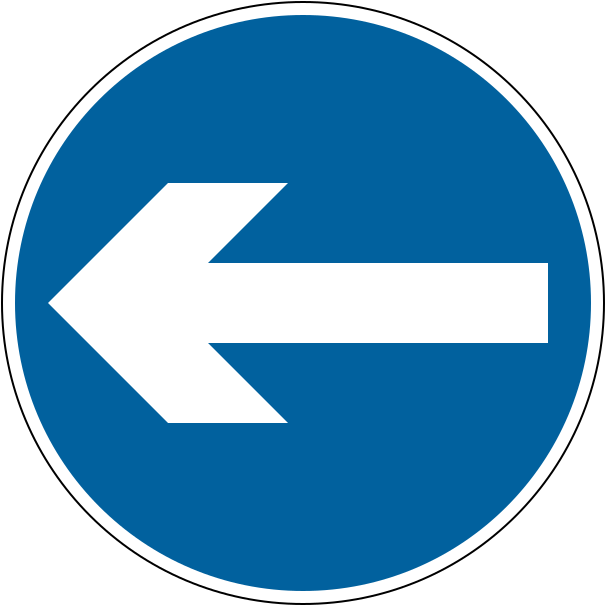
Turn left ahead

Turn left ahead

You must turn left at the junction ahead.

Shape: circleHC Rule 184Common in test

Blue circle = mandatory instruction. White arrow shows the direction you must go.

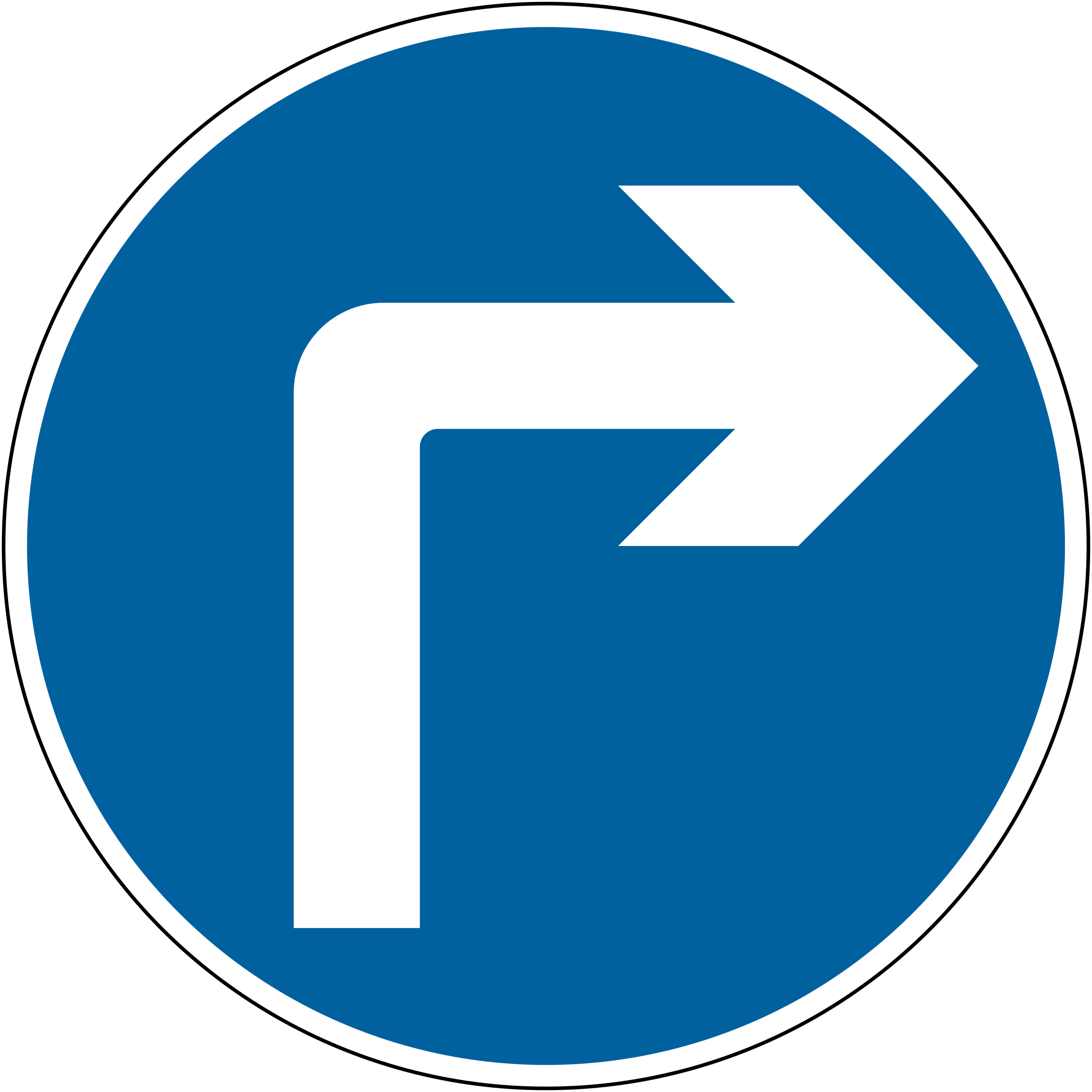
Turn right ahead

Turn right ahead

You must turn right at the junction ahead.

Shape: circleHC Rule 184Common in test

Blue circle = mandatory instruction.

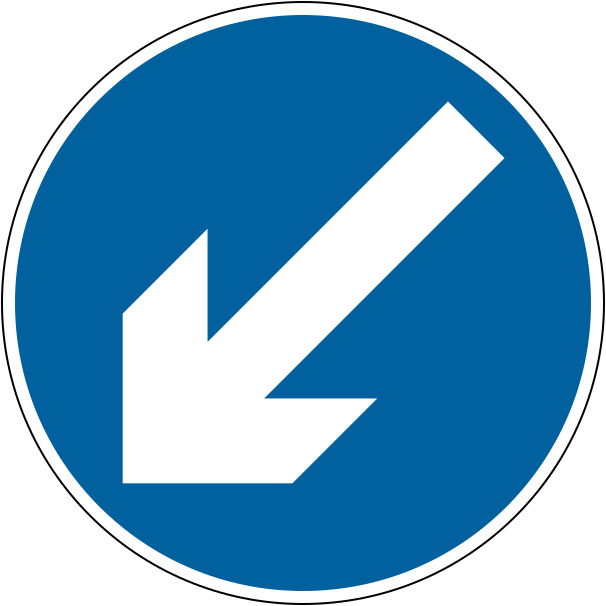
Keep left

Keep left

You must keep to the left of the traffic island or obstruction.

Shape: circleHC Rule 129Common in test

Blue circle with a downward-left arrow.

Ahead only

Ahead only

You can only go straight ahead — no turning.

Shape: circleHC Rule 184Common in test

Blue circle with an upward arrow.

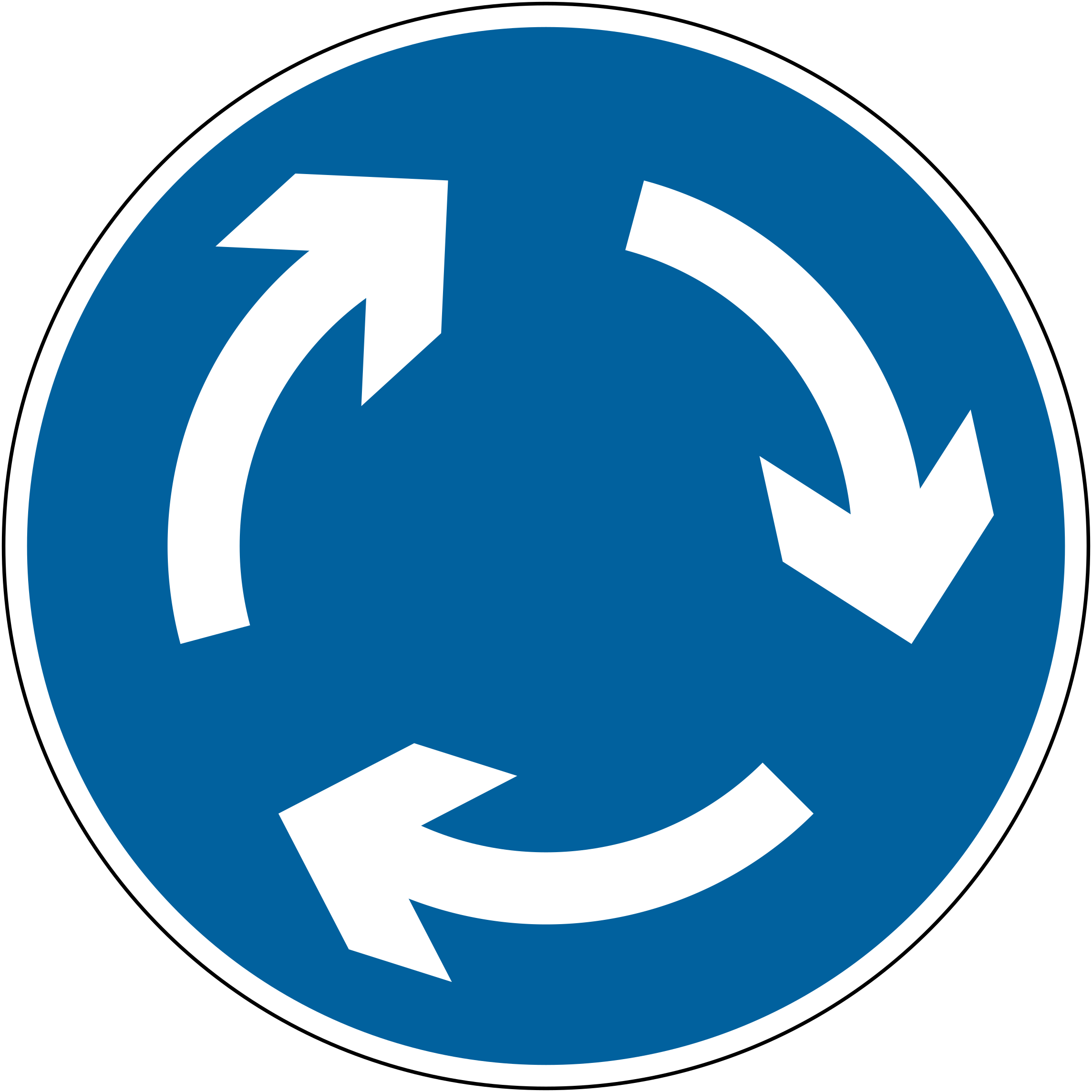
Mini roundabout

Mini roundabout

Mini roundabout ahead — give way to traffic from the right. You can drive over the painted circle if needed.

Shape: circleHC Rule 188Common in test

Blue circle with three white circular arrows. Treat it like a normal roundabout.

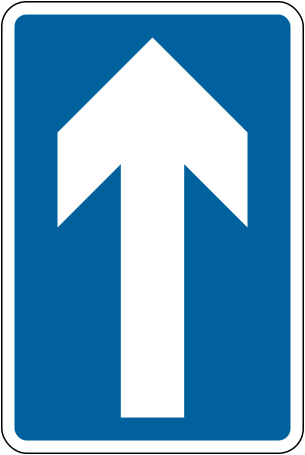
One-way traffic

One-way traffic

Traffic only travels in the direction shown.

Shape: rectangleHC Rule 143Common in test

Blue rectangle with a large white arrow.

Related Guides & Tools

Stopping Distances Calculator

Interactive chart showing Highway Code stopping distances.

Roundabout Rules

Lane selection, signalling, and priority rules for UK roundabouts.

Show Me Tell Me Questions

All 19 DVSA vehicle safety questions and answers.

See these signs on real roads

Drive past real UK road signs in our 3D simulator and learn them in context.

Start Practising Free