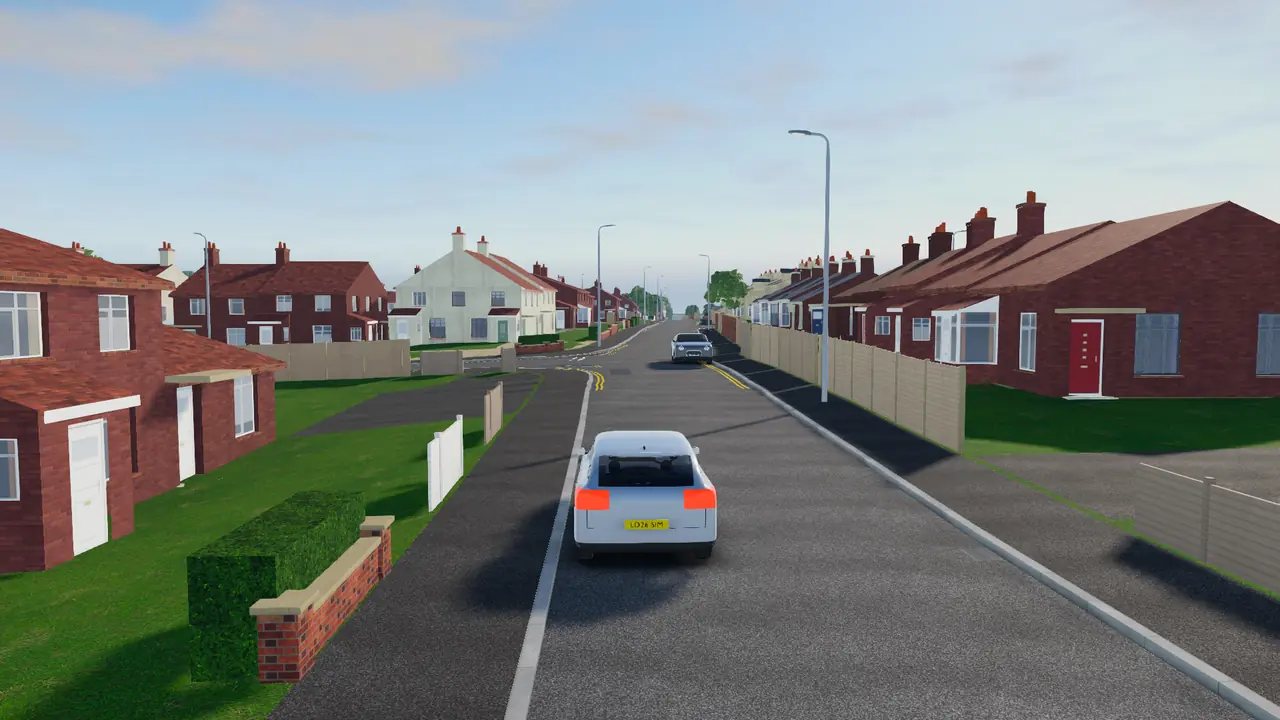
Follow the shape of the kerb
DVSA's guide to the top 10 reasons for failing the driving test says you must be able to steer the car as smoothly as possible, and at the appropriate time, because steering too early or late can cause the car to hit the kerb or swing out towards another road user.
On a left turn, that means steering enough to follow the shape of the kerb round the corner. The Highway Code puts it this way in rule 183: when turning, keep as close to the left as is safe and practicable.
Why swinging wide is a fault
DVSA's own example under its No. 6 reason, not having proper control of the steering, is repeatedly not steering enough or steering late on the approach to junctions when turning left: throughout the test, when you turn left, you repeatedly understeer, not following the shape of the kerb. This means there's not enough space for vehicles turning right to fit alongside your car.
Mistakes like this are counted under the 'Control - Steering' fault on your driving test result. DVSA's other steering examples include steering late when turning right into a minor road (the 'swan neck'), repeatedly mounting the pavement when pulling up on the left, and steering late when moving out to pass parked vehicles.
Before you turn: mirrors, signal, and what's on your left
Rule 182 of The Highway Code says use your mirrors and give a left-turn signal well before you turn left. Do not overtake just before you turn left, and watch out for traffic coming up on your left before you make the turn: cyclists, motorcyclists and other road users in particular may be hidden from your view. Rule 183 adds that you should give way to any vehicles using a bus lane, cycle lane, cycle track or tramway from either direction.
And since 2022, rule H2 says you should give way to people crossing or waiting to cross the road you're turning into.
The junction in the video
The video was filmed in Hendon, north London, turning left from Brampton Grove into Wykeham Road.
Practise it in Hendon, London
The video was filmed in DriveSim's 3D rebuild of Hendon, London, built from open map data: the real lanes, road markings and buildings. Drive the same streets free and try it for yourself.