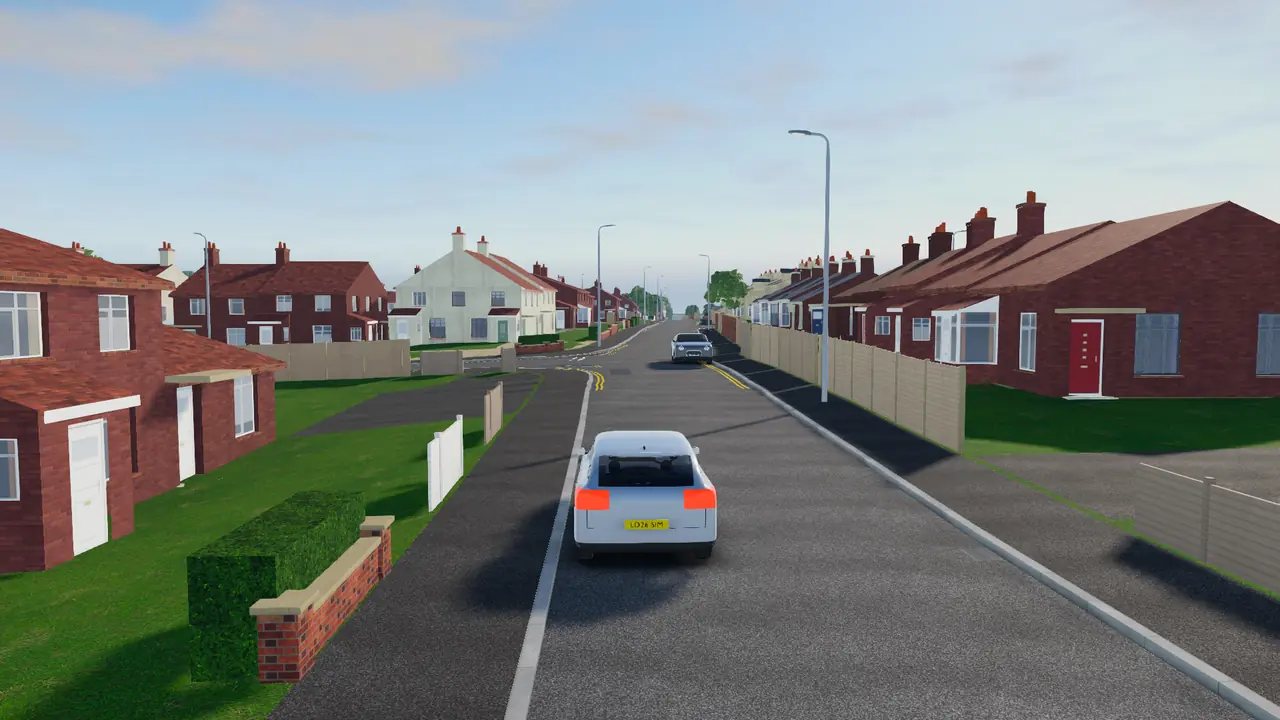
Mirrors before you change speed
Rule 161 of The Highway Code says all mirrors should be used effectively throughout your journey. You should use them frequently so that you always know what is behind and to each side of you, and use them in good time before you signal or change direction or speed. Mirrors do not cover all areas, so there will be blind spots: look round and check. Remember: Mirrors - Signal - Manoeuvre.
What examiners expect
DVSA says you must always make full and effective use of all the mirrors, check them carefully before signalling, changing direction or changing speed, and use the mirror - signal - manoeuvre routine effectively. Not using mirrors correctly when changing direction is the No. 2 reason learners fail the car test (April 2024 to March 2025).
Stopping at red lights
You MUST stop behind the white 'Stop' line across your side of the road unless the light is green (rule 175). Check your mirrors as you see the lights ahead, then slow down in good time.
The lights in the video
The video was filmed at the traffic lights on Twickenham Road (A310) at Worton Road in Isleworth, west London, near Isleworth Congregational Church.
Practise it in Isleworth, London
The video was filmed in DriveSim's 3D rebuild of Isleworth, London, built from open map data: the real lanes, road markings and buildings. Drive the same streets free and try it for yourself.